
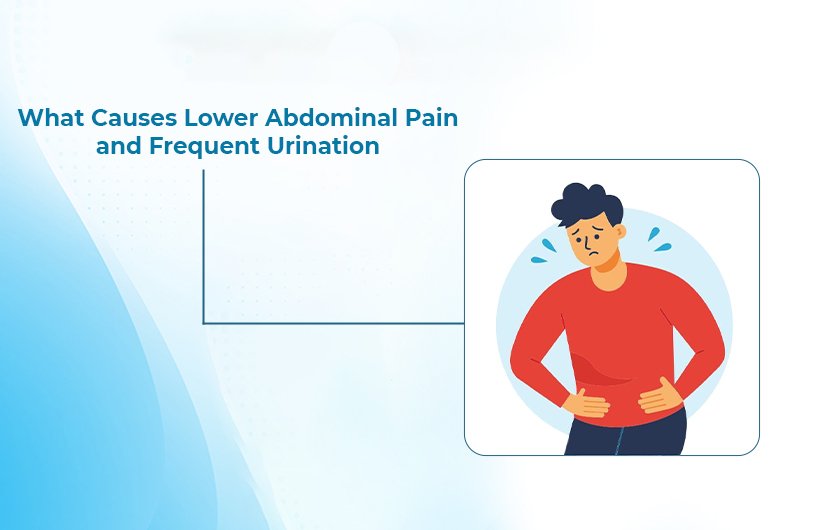
Lower abdominal pain and frequent urination are common symptoms often caused by urinary tract infections (UTIs), bladder inflammation, kidney stones, diabetes, or pelvic health conditions. While some causes are mild and temporary, persistent or severe symptoms may require immediate medical attention.
What Does Lower Abdominal Pain and Frequent Urination Mean?
Experiencing lower abdominal pain and frequent urination usually indicates irritation, inflammation, or infection affecting the urinary tract or nearby organs. These symptoms may develop suddenly or gradually and can interfere with daily life.
Common symptoms include:
- Pain or pressure in the lower abdomen
- A constant urge to urinate
- Passing small amounts of urine frequently
- Burning sensation during urination
- Pelvic discomfort or bladder pressure
In many cases, the problem is related to the bladder, kidneys, or urinary tract. However, hormonal, reproductive, or metabolic conditions may also contribute to these symptoms.
According to Kidney Specialist Dr Ravi Bhadania, early diagnosis is important because untreated urinary problems can sometimes lead to kidney infections or long-term bladder complications.
Common Causes of Lower Abdominal Pain and Frequent Urination
| Condition | Common Symptoms |
|---|---|
| Urinary Tract Infection (UTI) | Burning urination, pelvic pain, urgency |
| Kidney Stones | Sharp abdominal pain, blood in urine |
| Bladder Inflammation (Cystitis) | Pressure, discomfort, frequent urination |
| Diabetes | Excess thirst, fatigue, increased urination |
| Interstitial Cystitis | Chronic pelvic pain, bladder pressure |
| Enlarged Prostate | Weak urine flow, nighttime urination |
1. Urinary Tract Infection (UTI)
A urinary tract infection is one of the most common causes of lower abdominal pain and frequent urination.
Why Does It Happen?
UTIs occur when bacteria enter the urinary tract and multiply inside the bladder or urethra.
Common Symptoms
- Burning sensation while urinating
- Cloudy or foul-smelling urine
- Frequent urge to urinate
- Lower abdominal discomfort
- Mild pelvic pain
UTIs are more common in women but can also affect men.
2. Bladder Inflammation (Cystitis)
Cystitis refers to irritation or inflammation of the bladder.
Possible Causes
- Bacterial infection
- Poor hydration
- Excess caffeine or spicy foods
- Chemical irritation from hygiene products
Symptoms
- Lower abdominal pressure
- Frequent urination
- Pain while urinating
- Pelvic discomfort
3. Kidney Stones
Kidney stones can cause severe lower abdominal pain along with urinary symptoms.
What Happens?
Hard mineral deposits form inside the kidneys and may travel through the urinary tract.
Symptoms
- Sharp pain in the lower abdomen or side
- Frequent urination
- Burning urination
- Blood in urine
- Nausea or vomiting
Kidney stone pain is often intense and may come in waves.
4. Diabetes
Frequent urination can sometimes be an early warning sign of uncontrolled diabetes.
Why Does Diabetes Cause Frequent Urination?
High blood sugar forces the kidneys to remove excess glucose through urine, increasing urination frequency.
Symptoms
- Excessive thirst
- Fatigue
- Increased hunger
- Frequent urination
- Mild abdominal discomfort
5. Lower Abdominal Pain and Frequent Urination in Women
Women may experience these symptoms because of urinary or reproductive health conditions.
Common Causes in Women
- Ovarian Cysts: Fluid-filled sacs on the ovaries can create pelvic pressure and bladder irritation.
- Endometriosis: Tissue similar to the uterine lining grows outside the uterus, causing pelvic pain and urinary discomfort.
- Pelvic Inflammatory Disease (PID): An infection affecting reproductive organs may lead to pelvic pain, fever, and urinary symptoms.
- Pregnancy: Early pregnancy can increase pressure on the bladder, leading to frequent urination and mild abdominal discomfort.
6. Lower Abdominal Pain and Frequent Urination in Men
In men, prostate-related conditions are a common cause.
Enlarged Prostate (BPH)
An enlarged prostate can press against the urethra and interfere with normal urination.
Symptoms
- Frequent urination at night
- Difficulty starting urination
- Weak urine stream
- Lower abdominal discomfort
Prostatitis
Inflammation or infection of the prostate may also cause pelvic pain and urinary urgency.
7. Interstitial Cystitis
Interstitial cystitis is a chronic bladder condition that causes long-term discomfort.
Symptoms Include
- Persistent pelvic pain
- Frequent urination without infection
- Pressure in the bladder area
- Pain that worsens as the bladder fills
This condition can significantly affect quality of life if untreated.
When Should You See a Doctor?
Seek immediate medical attention if you experience:
- Severe or worsening abdominal pain
- Fever or chills
- Blood in urine
- Vomiting or nausea
- Difficulty passing urine
- Symptoms lasting more than 2–3 days
According to Dr. Ravi Bhadania, delaying treatment may increase the risk of kidney infection or bladder complications.
How Doctors Diagnose Lower Abdominal Pain and Frequent Urination
Doctors use several tests to identify the exact cause.
Common Diagnostic Tests
- Urine Test: Detects infection, blood, or inflammation
- Blood Tests: Evaluates kidney function and blood sugar levels
- Ultrasound or CT Scan: Detects kidney stones or structural abnormalities
- Physical Examination: Helps identify the source of pain
Accurate diagnosis is important for choosing the right treatment.
Treatment Options
Treatment depends on the underlying medical condition.
For Urinary Tract Infection
- Antibiotics
- Increased fluid intake
- Pain-relief medications
For Kidney Stones
- Drinking plenty of water
- Pain management
- Surgical removal in severe cases
For Bladder Irritation
- Avoiding caffeine and spicy foods
- Proper hydration
- Medications if required
For Chronic Conditions
- Lifestyle modifications
- Long-term treatment plans
- Regular medical monitoring
Dr. Ravi Bhadania recommends personalised treatment because symptoms and severity vary from patient to patient.
Can Lifestyle Changes Help Prevent These Symptoms?
Yes. Healthy daily habits can reduce the risk of urinary and bladder problems.
Prevention Tips
- Drink enough water daily
- Avoid holding urine for long periods
- Maintain proper hygiene
- Limit caffeine and alcohol
- Eat a balanced diet
- Control blood sugar levels
- Urinate after sexual activity to reduce UTI risk
These habits may help prevent recurring urinary symptoms.
Conclusion
Lower abdominal pain and frequent urination are common symptoms that should never be ignored. While urinary tract infections are a frequent cause, these symptoms may also indicate kidney stones, bladder inflammation, diabetes, or pelvic health conditions.
Early diagnosis and proper treatment can prevent serious complications and improve recovery. If symptoms become severe or persistent, consulting a qualified kidney specialist like Dr Ravi Bhadania is essential for accurate diagnosis and effective treatment.
FAQs
Is lower abdominal pain and frequent urination always caused by a UTI?
No. Although UTIs are common, kidney stones, diabetes, bladder conditions, and pelvic disorders may also cause these symptoms.
Can dehydration cause lower abdominal pain and frequent urination?
Yes. Dehydration can irritate the bladder and make urine more concentrated, leading to discomfort and increased urination.
Is frequent urination a sign of diabetes?
It can be. Frequent urination combined with excessive thirst and fatigue may indicate high blood sugar levels.
When should I worry about lower abdominal pain and frequent urination?
You should see a doctor if symptoms last more than 2–3 days, worsen, or are accompanied by fever, vomiting, or blood in urine.
Can stress cause frequent urination?
Yes. Stress and anxiety can affect bladder function and increase urinary frequency, although they do not usually cause severe abdominal pain.