
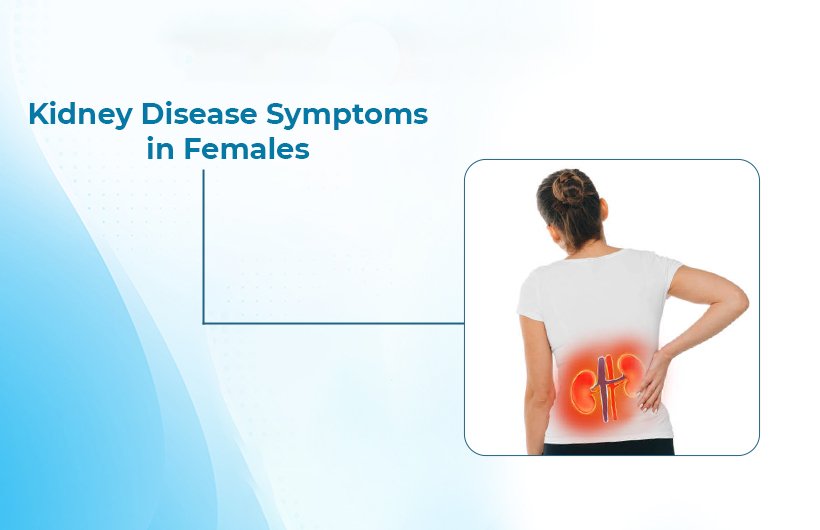
Kidney disease symptoms in females may include fatigue, swelling, frequent urination, foamy urine, back pain, nausea, and high blood pressure. These symptoms often develop slowly and are commonly ignored in the early stages. Early diagnosis and timely treatment can help prevent serious kidney damage and improve overall health.
What Is Kidney Disease?
Kidney disease occurs when the kidneys lose their ability to filter waste, excess fluids, and toxins from the blood properly. Over time, this can lead to serious health complications such as high blood pressure, anemia, fluid retention, and kidney failure.
Women are often more likely to ignore the early warning signs because many symptoms overlap with hormonal changes, stress, urinary infections, or general fatigue. Recognizing kidney disease symptoms in females at an early stage is essential for preventing long-term complications.
Early Kidney Disease Symptoms in Females
The symptoms of kidney disease can appear gradually. In many cases, women may not notice the signs until the condition becomes more advanced.
1. Changes in Urination
One of the earliest signs of kidney disease is a noticeable change in urination patterns.
Common urinary changes include:
- Frequent urination, especially at night
- Foamy or bubbly urine
- Dark-colored urine
- Blood in the urine
- Pain or burning sensation while urinating
- Reduced urine output
Foamy urine may indicate protein leakage, which is a common sign of kidney dysfunction.
The symptoms of kidney disease can appear gradually. In many cases, women may not notice the signs until the condition becomes more advanced.
2. Fatigue and Weakness
When the kidneys are not filtering toxins properly, waste products build up in the bloodstream. This can make women feel constantly tired and weak.
Symptoms may include:
- Low energy levels
- Difficulty concentrating
- Feeling exhausted even after rest
- Weakness during daily activities
Many women mistake these symptoms for stress, anemia, or lack of sleep.
3. Swelling in the Body
Damaged kidneys may fail to remove excess fluid from the body, leading to swelling known as edema.
Swelling commonly occurs in:
- Feet and ankles
- Hands
- Face
- Area around the eyes
Persistent swelling should never be ignored, especially when combined with urinary changes.
4. Back Pain or Flank Pain
Pain near the kidneys can be another warning sign. This pain usually develops in the lower back or sides of the body.
The pain may be:
- Dull and constant
- Sharp and severe in kidney infections or stones
- Associated with fever or urinary discomfort
Kidney-related back pain is different from muscular pain and may require medical evaluation.
5. Nausea and Loss of Appetite
As toxins accumulate in the body, digestive symptoms can appear.
Common symptoms include:
- Nausea
- Vomiting
- Poor appetite
- Unexplained weight loss
- Metallic taste in the mouth
These symptoms often become more noticeable as kidney disease progresses.
Advanced Kidney Disease Symptoms in Females
If kidney disease is left untreated, symptoms can become more severe and affect multiple organs.
High Blood Pressure
The kidneys play a major role in regulating blood pressure. Kidney damage can cause blood pressure levels to rise significantly.
Uncontrolled hypertension can further worsen kidney damage and increase the risk of heart disease.
Shortness of Breath
Fluid buildup in the lungs or anemia caused by kidney disease may lead to breathing difficulties.
Women may experience:
- Breathlessness during physical activity
- Difficulty breathing while lying down
- Chest tightness
Dry and Itchy Skin
Kidney disease can affect mineral balance in the body, leading to skin problems such as:
- Dry skin
- Persistent itching
- Skin irritation
- Changes in skin color
Trouble Sleeping
Women with kidney disease may develop sleep problems due to:
- Muscle cramps
- Restless legs
- Frequent urination at night
- Breathing issues during sleep
Poor sleep quality can worsen fatigue and reduce overall quality of life.
Hormonal and Menstrual Changes
Kidney disease may also affect hormone levels in females.
Possible effects include:
- Irregular periods
- Fertility issues
- Hormonal imbalance
- Pregnancy complications
These symptoms are often overlooked because they resemble common gynecological problems.
Why Kidney Disease Symptoms Are Often Missed in Women
Kidney disease symptoms in females are commonly ignored or misdiagnosed because many symptoms are non-specific.
Common Reasons Include:
Symptoms Develop Slowly
Kidney disease usually progresses gradually, making early signs difficult to notice.
Overlap with Other Conditions
Symptoms may resemble:
- Urinary tract infections
- Hormonal changes
- Menopause
- Stress-related fatigue
Lack of Routine Screening
Many women do not undergo regular kidney function tests unless symptoms become severe.
Early medical evaluation is essential for proper diagnosis and treatment.
Who Is at Higher Risk of Kidney Disease?
Certain health conditions and lifestyle factors can increase the risk of kidney disease in females.
Major Risk Factors
- Diabetes
- High blood pressure
- Obesity
- Family history of kidney disease
- Frequent urinary infections
- Smoking
- Excessive use of painkillers
- Heart disease
Women with these risk factors should monitor their kidney health regularly.
Stages of Chronic Kidney Disease (CKD)
Kidney disease is divided into different stages based on kidney function.
| Stage | Description |
|---|---|
| Stage 1 | Mild kidney damage with normal function |
| Stage 2 | Slight reduction in kidney function |
| Stage 3 | Moderate kidney damage |
| Stage 4 | Severe kidney damage |
| Stage 5 | Kidney failure requiring dialysis or transplant |
Early-stage kidney disease can often be managed effectively with lifestyle changes and medical treatment.
How Is Kidney Disease Diagnosed?
Doctors may recommend several tests to evaluate kidney function.
Common Diagnostic Tests
- Blood tests to check creatinine levels
- Urine tests to detect protein or infection
- Ultrasound or kidney imaging
- Blood pressure monitoring
- Estimated Glomerular Filtration Rate (eGFR)
These tests help determine the severity of kidney damage and guide treatment.
When Should You See a Doctor?
You should seek medical attention if you experience:
- Persistent swelling
- Frequent urination changes
- Blood in urine
- Severe fatigue
- High blood pressure
- Ongoing back pain near the kidneys
Early diagnosis can help slow the progression of kidney disease and prevent complications.
How to Prevent Kidney Disease
Although not all kidney diseases can be prevented, healthy lifestyle habits can significantly reduce the risk.
Tips for Healthy Kidneys
- Drink enough water daily
- Eat a balanced diet
- Reduce salt intake
- Exercise regularly
- Control blood sugar levels
- Maintain healthy blood pressure
- Avoid smoking
- Limit unnecessary painkiller use
Regular health checkups are important, especially for women with diabetes or hypertension.
Conclusion
Kidney disease symptoms in females often begin silently and may be mistaken for common issues such as stress, hormonal imbalance, or urinary infections. Symptoms like fatigue, swelling, foamy urine, nausea, back pain, and changes in urination should never be ignored, as early diagnosis plays a crucial role in preventing serious kidney damage.
If you experience any warning signs of kidney disease, it is important to consult an experienced kidney specialist in Ahmedabad for proper evaluation and treatment. Under the expert guidance of Dr Ravi Bhadania, early detection and personalized care can help manage kidney disease effectively and improve long-term health outcomes.
Taking timely medical advice, maintaining a healthy lifestyle, and undergoing regular kidney checkups can significantly reduce the risk of complications and support better kidney health for women of all ages.
FAQs
What is the first sign of kidney disease in females?
The earliest sign is often a change in urination patterns, such as frequent urination, foamy urine, or dark-colored urine.
Can kidney disease cause back pain?
Yes, kidney disease may cause pain in the lower back or sides, especially in cases of infection or kidney stones.
Is swelling a symptom of kidney disease?
Yes, swelling in the feet, hands, face, or ankles may occur when the kidneys cannot remove excess fluid properly.
Are kidney disease symptoms different in females?
Some symptoms such as hormonal imbalance, menstrual changes, and frequent urinary infections are more common in females.
Can kidney disease be cured?
Early-stage kidney disease can often be managed effectively with lifestyle changes and medical treatment. Advanced stages may require long-term care, dialysis, or kidney transplant.