
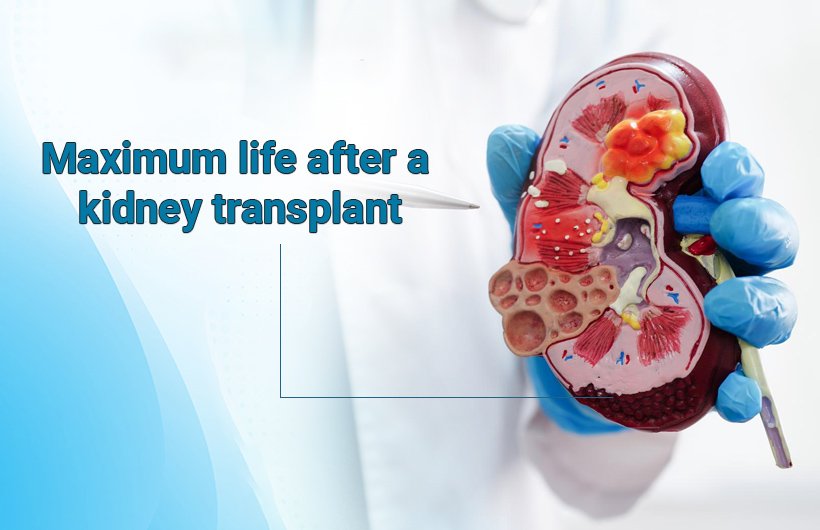
A diagnosis of end-stage kidney disease can be life-changing, but a kidney transplant often offers the best chance for a longer, healthier, and more active life. Many patients and families ask the same question: what is the maximum life after a kidney transplant?
With modern surgical techniques, advanced medicines, and proper long-term care, kidney transplant recipients today can live for many productive years.
What is a Kidney Transplant?
A kidney transplant is a surgical procedure in which a healthy kidney from a living or deceased donor is placed into a person whose kidneys can no longer function properly. The transplanted kidney takes over vital tasks such as filtering waste, removing excess fluid, and maintaining electrolyte balance. Compared to long-term dialysis, a successful transplant usually improves quality of life and overall survival.
Why is Life Expectancy Longer After a Kidney Transplant?
Dialysis helps sustain life, but it cannot fully replace all the functions of a healthy kidney. Patients on dialysis have a higher risk of heart disease, infections, and other complications.
A kidney transplant restores more natural kidney function, which:
- Reduces strain on the heart
- Lowers infection risk over time
- Improves energy levels and nutrition
- Allows a more flexible lifestyle
As a result, transplant recipients generally live longer than patients who remain on dialysis.
How Long Can Someone Live After a Kidney Transplant?
There is no fixed limit, but medical data gives a realistic picture of life expectancy after kidney transplant.
Average Lifespan of a Transplanted Kidney
- Living donor kidney: Often lasts 12–20 years or more
- Deceased donor kidney: Usually functions for 8–12 years
Some transplanted kidneys continue working well beyond these averages with good care.
Life Expectancy of Kidney Transplant Patients
- Most patients live 10 years or longer after a successful transplant
- Many gain 15–20 additional years of life compared to staying on dialysis
- Some individuals live 20+ years with a functioning transplant
These are averages, not limits. Outcomes vary based on health, lifestyle, and follow-up care.
Factors that Affect Maximum Life After Kidney Transplant
Several factors influence how long a transplanted kidney lasts and how long a patient lives after surgery.
1. Type of Donor
Kidneys from living donors usually last longer and function better than those from deceased donors, although both options are highly successful.
2. Age and Overall Health
Younger patients and those without major conditions such as severe heart disease or uncontrolled diabetes often have better long-term outcomes. However, even older patients live longer with a transplant than with dialysis.
3. Immune System and Rejection Control
Anti-rejection (immunosuppressive) medicines prevent the body from attacking the new kidney. These medicines must be taken exactly as prescribed for life. Missing doses can significantly shorten transplant survival.
4. Post-Transplant Care and Lifestyle
Healthy habits play a major role in long-term success. Patients who follow medical advice closely often enjoy many more years of good kidney function.
5. Other Medical Conditions
High blood pressure, infections, cholesterol problems, and medication side effects can affect both kidney survival and overall health. Early detection and treatment are essential.
According to a Kidney Specialist in Ahmedabad, Dr Ravi Bhadania, consistent follow-up and strict medication adherence are among the most important factors for achieving long transplant survival.
Can People Live a Normal Life After a Kidney Transplant?
Yes. Most transplant recipients return to work, travel, exercise, and enjoy family life. While lifelong medical follow-up is necessary, many people experience a near-normal lifestyle with improved energy and freedom from dialysis.
Tips to Increase Transplant Survival and Maximum Life
To maximise life after a kidney transplant, patients should:
- Take medicines exactly as prescribed
Anti-rejection drugs must never be skipped. - Follow a healthy diet
Eat balanced meals with controlled salt and fat intake. - Exercise regularly
Activities like walking improve heart and kidney health. - Attend regular follow-ups
Routine tests detect problems early. - Avoid smoking and limit alcohol
These habits damage overall and kidney health.
Conclusion: Maximum Life After Kidney Transplant
A kidney transplant offers many patients the chance to live a longer, healthier life compared to dialysis. With modern care, many recipients enjoy 10, 15, or even 20+ years after transplant. The maximum life after kidney transplant depends on donor type, overall health, medication adherence, and lifestyle choices.
With proactive care, regular follow-ups, and the right medical guidance, patients can significantly improve both survival and quality of life after transplantation.