
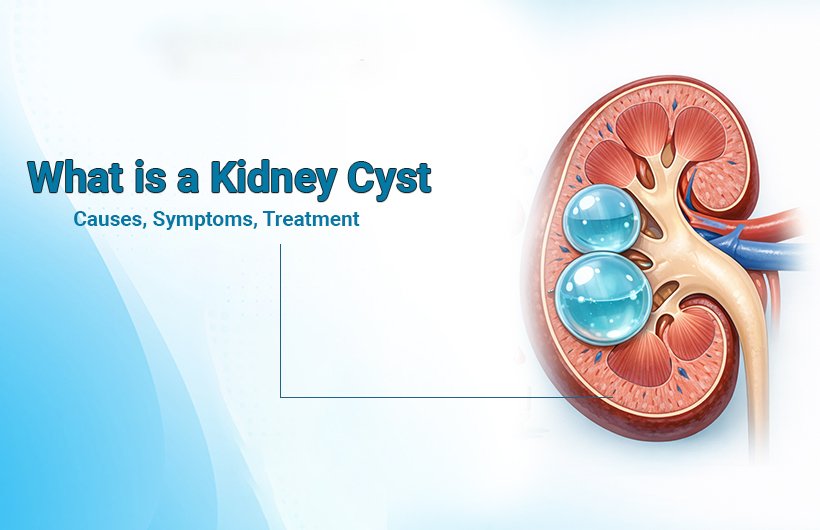
Kidney cysts are a common kidney condition, particularly as people age. They are frequently seen in adults over the age of 40 and, in most cases, are benign and harmless. Many individuals live their entire lives without knowing they have a kidney cyst because these fluid-filled sacs often cause no symptoms and are usually discovered incidentally during imaging tests performed for other health reasons.
However, not all kidney cysts are the same. While most remain small and harmless, some cysts can enlarge, cause persistent pain, become infected, interfere with kidney function, or require medical treatment. Gaining a clear understanding of kidney cysts, including their causes, symptoms, diagnostic methods, and available kidney cyst treatment options, helps patients make informed decisions about their kidney health. This comprehensive guide also explains exophytic cyst kidney treatment, a frequently searched yet often misunderstood condition, to provide clarity and reassurance for patients.
What Exactly is a Kidney Cyst?
A kidney cyst is a closed, sac-like structure filled with clear or straw-colored fluid. These cysts may develop on the surface of the kidney or within the kidney tissue itself. They vary in size and can be as small as a pea or large enough to cause pressure symptoms.
Kidney cysts are different from kidney tumors. Most cysts are non-cancerous and do not spread. Their behavior depends on their structure, size, and internal features.
Types of Kidney Cysts
1. Simple Kidney Cysts
Simple kidney cysts are the most common type and are usually harmless.
Characteristics:
- Thin, smooth walls
- Filled with clear fluid
- No solid components
- Low risk of cancer
These cysts rarely affect kidney function and usually do not require treatment unless they cause discomfort.
2. Complex Kidney Cysts
Complex cysts have irregular features that require closer evaluation.
Possible Features:
- Thick walls
- Septations (internal divisions)
- Calcifications
- Solid areas
Because complex cysts carry a small risk of malignancy, doctors often recommend follow-up imaging or treatment depending on classification systems such as the Bosniak scale.
Exophytic Kidney Cysts
An exophytic kidney cyst grows outward from the kidney surface rather than inward. While the location may sound concerning, exophytic cysts are often simple cysts and behave similarly.
Important points about exophytic cysts:
- They may cause pain due to pressure on nearby tissues
- They do not automatically indicate cancer
- Exophytic cyst kidney treatment depends on symptoms, size, and imaging features
Many exophytic cysts only need monitoring unless they cause persistent pain or complications.
What Causes Kidney Cysts?
The exact cause of simple kidney cysts is still not fully understood. Medical experts believe they may develop when tiny kidney tubules become blocked, leading to fluid accumulation over time.
Factors That Increase Risk:
- Age (most common after 40)
- Chronic kidney disease
- Polycystic kidney disease (PKD)
- Genetic kidney disorders
- Long-standing kidney inflammation
Despite these associations, most people with simple kidney cysts have no identifiable cause.
Symptoms of Kidney Cysts
Many people with kidney cysts don’t experience symptoms at all, and that’s part of why these cysts are often found by chance during scans for other reasons.
However, symptoms can occur when a cyst becomes large or problematic. These may include:
- Dull pain or discomfort in the side, back, or upper abdomen.
- Fever or signs of infection if the cyst becomes infected.
- Blood in the urine, causing it to look darker than normal.
- Frequent urination or changes in urination patterns in rare cases.
- Pressure or pain from large cysts pressing on nearby structures.
If you notice any of these symptoms, it’s important to consult a qualified Kidney Doctor in Ahmedabad for evaluation. Dr Ravi Bhadania emphasises that symptoms should never be ignored, especially if they become persistent or interfere with daily life.
How are Kidney Cysts Diagnosed?
Kidney cysts are typically diagnosed through imaging studies.
Diagnostic Tests Used:
- Ultrasound: First-line test to identify cysts
- CT Scan: Provides detailed information on cyst size and structure
- MRI: Useful for complex cyst evaluation
- Blood Tests: Assess kidney function
- Urine Tests: Detect blood or infection
These tests help differentiate simple cysts from complex or potentially serious conditions.
Do All Kidney Cysts Require Treatment?
No. The majority of kidney cysts do not need treatment.
Treatment is NOT Needed When:
- The cyst is small
- No symptoms are present
- Kidney function is normal
- Imaging confirms a simple cyst
Doctors focus on monitoring, not unnecessary intervention.
Kidney Cyst Treatment Options
1. Observation and Monitoring
This is the most common approach for asymptomatic cysts.
- Periodic ultrasound or CT scans
- No medication required
- Safe and effective
2. Aspiration and Sclerotherapy
Used for painful or enlarging cysts.
Procedure:
- Fluid is drained using a needle
- A sclerosing agent is injected to prevent recurrence
Benefits:
- Minimally invasive
- Quick recovery
- Effective symptom relief
3. Surgical Kidney Cyst Treatment
Surgery is recommended when cysts are large, recurrent, complex, or suspicious.
Surgical Options Include:
- Laparoscopic cyst decortication
- Removal of cyst wall
- Minimal scarring and fast recovery
This is often the preferred approach for exophytic cyst kidney treatment when the cyst causes persistent pain or pressure symptoms.
Living With a Kidney Cyst
If you have a kidney cyst:
- Most are benign
- Regular follow-up ensures safety
- Maintain hydration and blood pressure control
- Seek medical advice if symptoms change
Lifestyle changes cannot remove cysts, but support overall kidney health.
When Should You See a Doctor?
Consult a healthcare provider if you experience:
- Persistent flank pain
- Blood in urine
- Fever with kidney discomfort
- Rapid cyst growth on imaging
Early evaluation ensures timely and effective kidney cyst treatment.
Conclusion
Kidney cysts are common and usually harmless, but understanding their types, symptoms, and treatment options is essential for long-term kidney health. While many cysts require only monitoring, modern kidney cyst treatment methods, including minimally invasive and surgical options, are highly effective when intervention is needed.
If you are experiencing pain, urinary changes, or have been diagnosed with a kidney cyst and need expert advice on kidney cyst treatment or exophytic cyst kidney treatment, do not delay care. Consult a kidney specialist today for accurate diagnosis, personalised treatment, and complete peace of mind. Early consultation ensures better outcomes and protects your kidney health in the long run.