
Kidney stone pain can be extremely severe, and surprisingly, some of the “healthy” vegetables you eat daily may be increasing your risk. If you’ve had kidney stones before or want to prevent them, understanding vegetables to avoid for kidney stones is essential.
In this guide, kidney specialist Dr. Ravi Bhadania explains which vegetables may trigger stones, why they do so, and what you should eat instead.
Which Vegetables Should You Avoid for Kidney Stones?
Not all vegetables are harmful, but some contain high levels of oxalates, which can lead to kidney stone formation. When oxalates combine with calcium in your urine, they form calcium oxalate stones, the most common type of kidney stones.
High-Oxalate Vegetables to Limit or Avoid
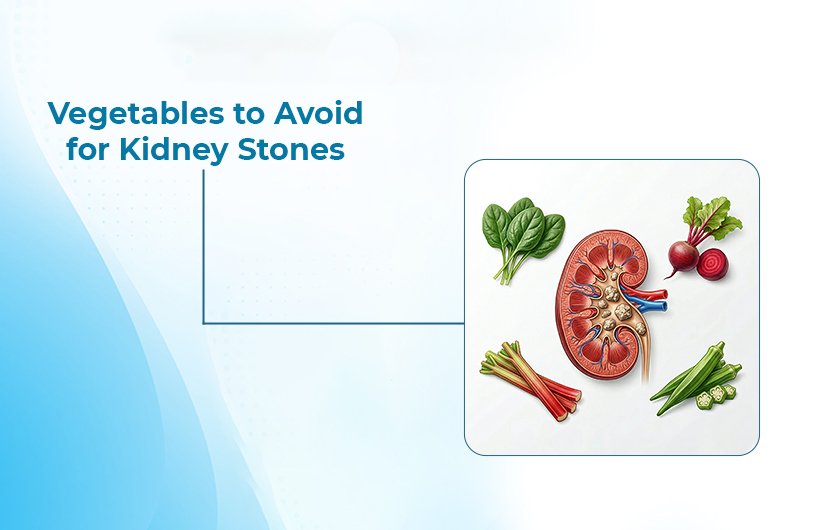
1. Spinach
Spinach is one of the highest oxalate-containing vegetables. Frequent consumption can significantly increase kidney stone risk.
2. Beetroot
Beetroot is healthy, but also high in oxalates. Drinking beetroot juice regularly or eating it in large quantities may contribute to stone formation.
3. Okra (Ladyfinger)
Okra contains moderate to high oxalate levels. Eating it occasionally is fine, but regular intake should be limited if you have a history of kidney stones.
4. Sweet Potatoes
Although healthy, sweet potatoes can increase oxalate levels when consumed in large amounts.
5. Swiss Chard
Another leafy green high in oxalates that should be limited in a kidney stone diet.
6. Tomatoes (Excess Consumption)
Tomatoes are widely used in Indian diets. While moderate intake is fine, excessive consumption—especially seeds—may increase risk.
Important: You don’t always need to completely avoid these foods. Portion control and balance are key.
Why do these vegetables increase the risk of kidney stones?
The main reason is their oxalate content.
When oxalates bind with calcium in the urine, they form crystals. Over time, these crystals grow into kidney stones.
Here are a few factors that increase the risk:
- High oxalate intake
- Low water consumption
- Low calcium diet
- Excess salt intake
- Unbalanced eating habits
Surprisingly, low calcium intake can increase risk, because calcium helps bind oxalates in the gut before they reach the kidneys.
Safe Vegetables for Kidney Stones Patients
Avoiding certain vegetables doesn’t mean compromising nutrition. Many low-oxalate vegetables are safe and beneficial.
Best Vegetables for Kidney Health:
- Cabbage
- Cauliflower
- Bottle gourd (Lauki)
- Ridge gourd (Turai)
- Pumpkin
- Capsicum
- Cucumber
These vegetables help maintain hydration and support overall kidney function.
Diet Tips to Prevent Kidney Stones Naturally
Making small dietary changes can significantly reduce your risk.
Follow These Simple Tips:
- Drink 2.5 to 3 litres of water daily
- Include calcium-rich foods like milk and curd
- Reduce salt intake
- Avoid excessive tea, coffee, and sugary drinks
- Eat hydrating fruits like watermelon and muskmelon
Hydration is one of the most powerful ways to prevent kidney stones.
When Should You See a Doctor?
Diet alone may not always be enough. Seek medical help if you experience:
- Severe lower back or side pain
- Burning during urination
- Blood in urine
- Frequent urination
- Nausea or vomiting
These may indicate kidney stones requiring treatment.
About the Expert
Dr. Ravi Bhadania is an experienced kidney specialist in Ahmedabad in kidney stone treatment and prevention. He recommends personalized diet plans based on the type of stone and patient history.
Conclusion
Understanding vegetables to avoid for kidney stones can help you prevent painful episodes and maintain better kidney health.
You don’t need to eliminate healthy foods; just focus on moderation, balance, and hydration.
If you have recurring kidney stones, consult a specialist like Dr. Ravi Bhadania for a personalized diet and treatment plan.
Small changes today can prevent serious pain tomorrow.
FAQs
Can I eat spinach if I have kidney stones?
It’s best to limit spinach due to its high oxalate content.
Are tomatoes safe for kidney stones?
Yes, in moderation. Avoid excessive intake, especially seeds.
Which vegetables are low in oxalates?
Cabbage, cauliflower, cucumber, and gourds are safe options.
How can I reduce oxalates in my diet?
Drink more water, balance calcium intake, and avoid overconsumption of high-oxalate foods.