

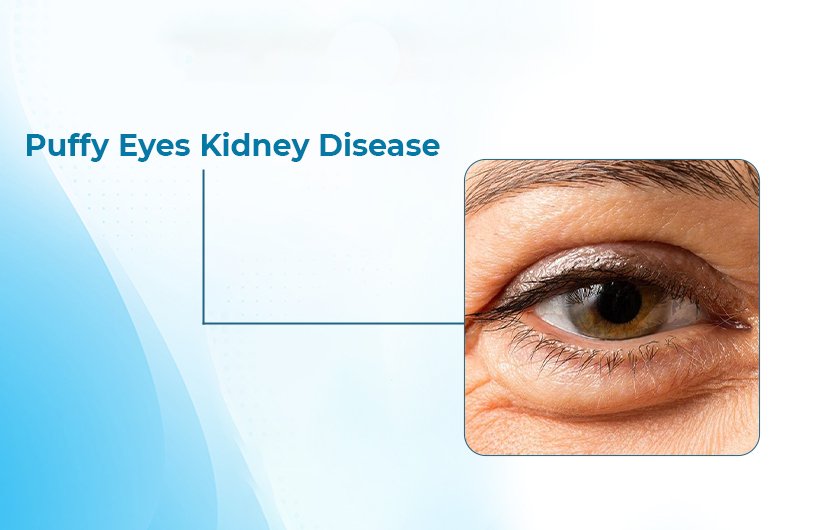
Puffy eyes are often blamed on lack of sleep or stress, but in some cases, they may signal a deeper health issue like kidney disease. When the kidneys are not functioning properly, fluid builds up in the body, leading to swelling around the eyes.
Understanding the connection between puffy eyes and kidney disease can help you detect problems early and prevent serious complications.
Can Puffy Eyes Be a Sign of Kidney Disease?
Yes, puffy eyes can be an early sign of kidney disease. When the kidneys fail to remove excess fluid and waste, it accumulates in the body and causes swelling, especially around the eyes, due to the delicate skin in that area.
This condition is commonly linked to protein loss in urine (proteinuria), which disrupts fluid balance and leads to noticeable puffiness, often worse in the morning.
Kidney specialist in Ahmedabad, Dr. Ravi Bhadania explains that persistent or recurring puffiness around the eyes should not be ignored, especially if it is accompanied by other symptoms like fatigue or changes in urination.
Why Does Kidney Disease Cause Puffy Eyes?
The kidneys play a key role in maintaining fluid balance. When they are damaged:
- Excess fluid is not removed properly
- Protein leaks into urine
- Fluid accumulates in tissues
This results in swelling around the eyes (periorbital edema), a common early symptom of kidney disease.
What Other Symptoms Occur Along With Puffy Eyes in Kidney Disease?
Puffy eyes alone may not always indicate kidney disease, but when combined with other symptoms, it becomes more concerning. Recognising these signs early can help in timely diagnosis and treatment.
Here are some common symptoms to watch for:
1. Swelling in Other Body Parts
Fluid retention may also cause swelling in the feet, ankles, or hands. This condition is known as edema.
2. Changes in Urination
You may notice:
- Foamy or bubbly urine (a sign of protein in urine)
- Increased or decreased urination
- Dark-colored urine or blood in urine
3. Fatigue and Weakness
Kidneys help filter toxins from the blood. When they fail to do so, toxins build up, leading to tiredness and low energy levels.
4. Loss of Appetite and Nausea
Waste buildup in the body can affect digestion, causing nausea, vomiting, or poor appetite.
5. High Blood Pressure
Kidney disease and high blood pressure are closely related. Each condition can worsen the other.
According to Dr. Ravi Bhadania, patients often overlook early symptoms like mild swelling or fatigue, assuming they are due to lifestyle factors. However, these could be early indicators of kidney dysfunction.
Puffy Eyes: Kidney Disease vs Normal Causes
Not all puffy eyes are serious.
Common harmless causes:
- Lack of sleep
- Excess salt intake
- Allergies
- Crying
When to worry:
- Persistent puffiness
- Worse in the morning
- Accompanied by swelling in the body
- Changes in urine
If these signs appear together, it could indicate kidney disease-related swelling in the eyes.
How is Puffy Eyes Kidney Disease Diagnosed?
If kidney disease is suspected, doctors may recommend a few tests to confirm the diagnosis:
- Urine Test: To check for protein, blood, or infection
- Blood Test: To measure kidney function (creatinine and urea levels)
- Ultrasound: To examine the structure of the kidneys
- Blood Pressure Monitoring: Since hypertension is closely linked to kidney health
These tests help identify the root cause of puffiness and determine whether it is related to kidney dysfunction.
Treatment for Puffy Eyes Due to Kidney Disease
Treatment depends on the underlying condition.
1. Medications
- Diuretics (reduce fluid retention)
- Medicines to control blood pressure
- Protein control medications
2. Lifestyle Changes
- Reduce salt intake
- Stay hydrated
- Maintain healthy weight
- Avoid smoking & alcohol
3. Diet Control
- Low sodium diet
- Controlled protein intake
4. Manage Underlying Conditions
Conditions like diabetes and high blood pressure must be controlled to protect kidney health.
How to Prevent Kidney Disease and Puffy Eyes
Prevention plays a major role in kidney health.
Simple tips:
- Drink enough water daily
- Limit processed and salty foods
- Monitor blood pressure and sugar levels regularly
- Avoid excessive painkillers
- Maintain a healthy lifestyle with regular exercise
Regular health check-ups are also important, especially if you have a family history of kidney disease.
Kidney Disease Treatment in Ahmedabad
If you are experiencing persistent puffy eyes along with other symptoms, it is important to consult a specialist early.
An experienced kidney specialist, Dr Ravi Bhadania, can help diagnose the condition and provide the right treatment before complications develop.
When Should You See a Doctor?
You should consult a doctor if you notice:
- Persistent puffiness around the eyes
- Swelling in the legs or face
- Changes in urination
- Unexplained fatigue or weakness
Early medical attention can help detect kidney disease before it becomes severe.
Conclusion
Puffy eyes are often ignored as a minor cosmetic issue, but in some cases, they can signal something more serious. Puffy eyes kidney disease are conditions that highlight the importance of paying attention to subtle changes in your body.
If you notice persistent swelling around your eyes along with other symptoms, do not delay seeking medical advice. Early diagnosis and proper treatment can protect your kidney function and improve your overall health.
Dr Ravi Bhadania emphasises that awareness and timely action are the keys to preventing complications. Listening to your body and addressing warning signs early can make a significant difference in your long-term well-being.
FAQs
Can kidney disease cause swelling around the eyes?
Yes, kidney disease can cause fluid retention, leading to swelling around the eyes.
Why are my eyes puffy in the morning?
Puffy eyes in the morning may be due to fluid buildup overnight, which can be an early sign of kidney issues.
Are puffy eyes always related to kidney disease?
No, they can also be caused by lack of sleep, allergies, or diet, but persistent swelling should be checked.
How to reduce puffy eyes caused by kidney problems?
Treatment focuses on managing kidney function, reducing salt intake, and controlling fluid balance.